Nestled high in the Muong Hoa Valley of Northern Vietnam, Sapa is known as ‘the city in the clouds’. This Sapa travel guide will help you uncover more about this mountainous gem.
Most people travel to the mountain town of Sapa to hike. It’s a popular trekking base for trails that follow through the acres of rice terraces. Aside from the landscape’s biodiversity, it offers incredible cultural diversity and is home to several ethnic minority groups.
I spent a month in Sapa and was blown away by the dramatic scenery. Because of the unique local culture, there are many things to do here that would be difficult to experience in coastal cities like Ho Chi Minh City or even nearby Hanoi.
I’ve narrowed down my favourite activities and spots that everyone who visits Sapa must experience (in my humble opinion) and should add to any Sapa itinerary.
Best Time To Visit Sapa
As you might be able to tell from Sapa’s nickname (the city in the clouds), it can get very misty! Particularly if you visit Sapa from December to February (winter) or June to August (monsoon/rainy season).
One of the best times to visit Sapa is in April or May. Generally, the skies are clearer (although there are no guarantees!) and the spring blooms are beautiful. Rice farmers flood the fields for planting, so the terraces have dreamy mirror-like reflections.
Another great time to travel to Sapa is from August to early October. The rice ripens during this season, and the hills glow with golden rice ready for harvest.


How To Get To Sapa From Hanoi
By Bus
Most people will travel from Hanoi to Sapa. We booked a sleeper bus during the day, which was the best decision. It was a chill journey, and I loved being able to stretch out even if I didn’t sleep. I recommend travelling during the day to take in the view.
I booked our bus tickets through HK Open Tour via 12Go. It takes around six hours to travel from Hanoi to Sapa.
By Train
If you’re wondering how to go to Sapa from Hanoi by train because you think it might be faster, this isn’t the case.
First, there is no train station in Sapa, so you’d have to travel from Hanoi Ga Ha Noi train station to Lao Chai. Then, you’d have to hop on a minibus which departs every hour or grab a taxi.
The Hanoi to Sapa train duration is just under eight hours, which doesn’t include the final bus journey (30-60 minutes extra).
Travelling by train offers more comfort level options, and most Hanoi to Sapa train reviews are positive. However, there’s not much difference in price, so I’d choose the bus every time!
7 Best Things To Do in Sapa
1. Take the Cable Car to Fansipan Mountain
Known as the ‘roof of Indochina’, Fansipan Mountain is the highest peak in the Indochina region encompassing Vietnam, Cambodia and Laos. It’s 3,143 m/10,311 ft above sea level.
The best part? You don’t have to hike to the top!
Take the Muong Hoa funicular train from Sun Plaza in Sapa Village to the Fansipan cable car station. Even before you ride the cable car, there’s a little village with cultural performances and lovely views. Round-trip tickets cost around £30, which is expensive for Vietnam but worth it. Make sure you book your tickets in advance, as it will save you some potential queuing and ensures you’re getting the best price.
Don’t expect sensational views, as it’s very common for the top to be surrounded by clouds, even on a sunny day. Be patient, and hopefully, they will clear up as the view is phenomenal. The clouds only cleared for about 10 minutes for us (better than nothing!).


2. Wander through Cat Cat Village (but manage your expectations)
If you Google “things to do in Sapa,” Cat Cat Village is going to pop up near the top. It’s basically the Disneyland of Northern Vietnam – very pretty, but let’s be real, not remotely authentic.
This village is privately owned and set up for tourists. Think curated pathways, cute wooden huts selling souvenirs, and cultural performances on schedule. It’s not a functioning village in the traditional sense – more like a cultural theme park wrapped in scenic mountain views. There’s an entrance fee (around £4), and during peak season it can get absolutely packed.
So why go? Honestly, we were lucky. It was rainy and quiet when we visited, which meant we got to enjoy the calm beauty without the usual crowds. And yes, the visuals are stunning. There are waterfalls, mountain views, and tourists roaming around in rented traditional outfits, which I unexpectedly loved photographing.
If you’ve got limited time in Sapa, though? I’d skip Cat Cat in favour of something that offers a deeper look at local life. A guided trekking tour with a homestay (like the ones offered by ETHOS) gives you far more insight into H’mong and Red Dao culture than any staged performance ever could.


3. Visit Love Waterfall
Is the weather looking a little grey and gloomy? Perfect. Love Waterfall, tucked into the hills of Sapa, is arguably at its best on a misty day. The fog softens everything, cloaking the trees and rocks in a kind of hushed stillness that feels straight out of a fantasy film. It’s quiet, it’s moody, and it’s got serious enchanted forest energy.
Entrance is around £2 per person, and the walk to the waterfall takes about 20 to 30 minutes. The trail is gentle enough and winds through lush greenery with just the occasional muddy patch (bring decent shoes if it’s been raining!).
But here’s what makes this place extra special: there’s a real-life fairytale behind it. Legend says a fairy fell in love with a mountain boy who played the flute near the falls. Every day, she came down from the heavens to watch him in secret. Eventually, her visits were discovered and forbidden. Heartbroken, she turned into a golden bird and now circles the falls forever, listening for the sound of his song.


4. Visit Ham Rong Mountain
Don’t be put off by the word “mountain”, Ham Rong is more of a botanical daydream than a serious hike (unless you’re keen to summit Dragon Peak, which you absolutely can). For around £2.20, you can explore the Eco-Tourism area just behind Sapa town, filled with colourful flower beds, orchid gardens, winding stone paths, and whimsical rock formations. It’s an easy and rewarding wander, and on clear days, you’ll get panoramic views over Sapa from spots like Heaven’s Gate. If you’re feeling energetic, the path continues all the way up to Dragon Peak for even more dramatic views – but you’ll get plenty out of the gardens alone.


5. Book a Guided Trek With Ethos
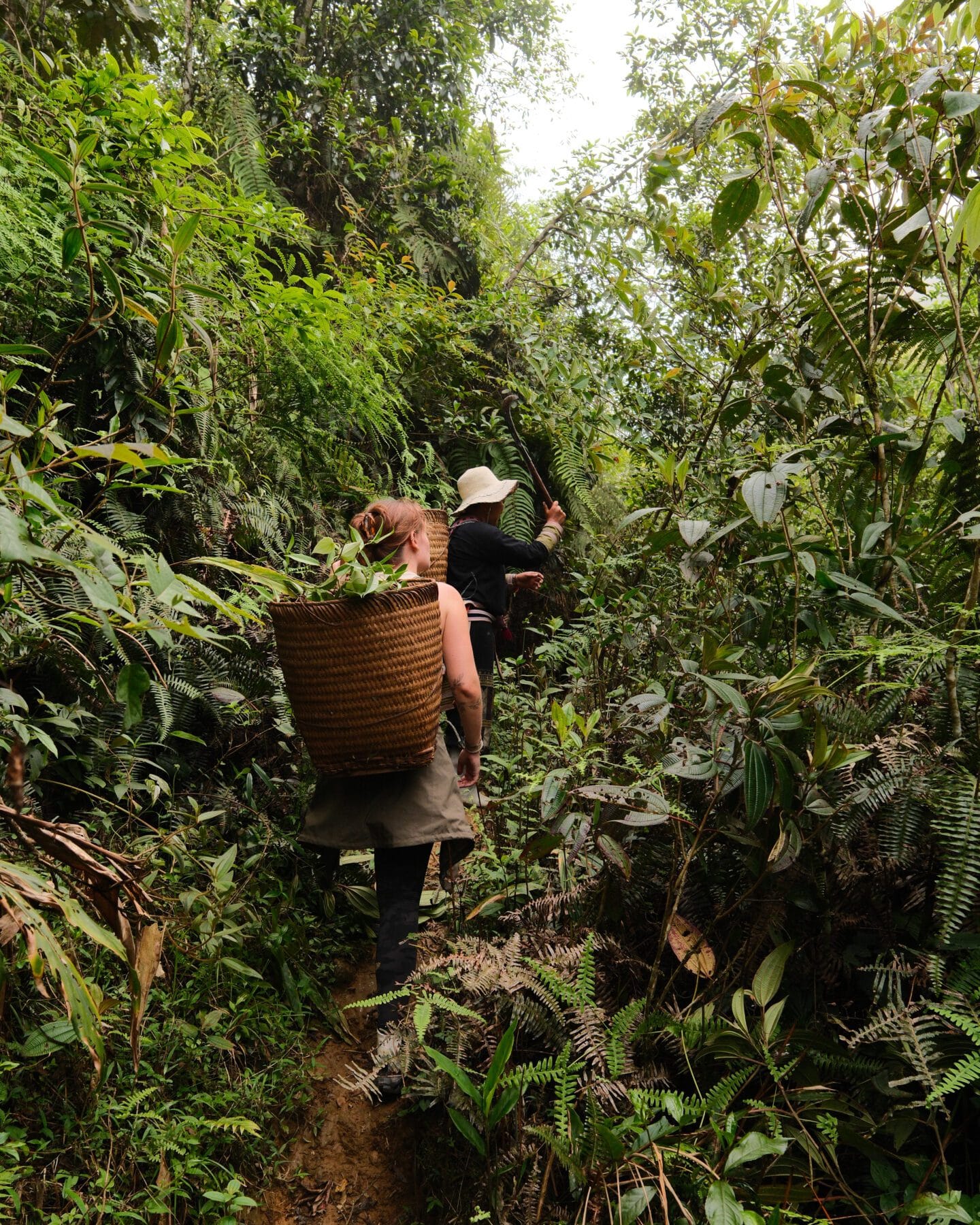
In my opinion, booking a trek with local guides is non-negotiable! We spent two days trekking around the rice terraces and mountains with our private Sapa tour guide, May Lai, from the Red Dao community.
Vietnam is made up of at least 54 ethnic groups. The Kinh group comprises 87% of the population, while the remaining 13% is split. Every group, including the Red Dao and H’mong communities, have their separate languages and lifestyles.
Ethos runs guided experiential Sapa tours by working closely with the locals. Conscientious travellers have an authentic cultural exchange, and locals benefit from more funding for social development projects.
May Lai allowed us to stay in her home, meet her family, and learn how to forage herbs. The whole experience was so special and worth every penny.


6. Get a Massage and Traditional Red Dao Bath
The Red Dao are one of the ethnic communities in Sapa (I spoke about them above on our ETHOS tour!), renowned for their herbal medicinal baths. These steamy tubs are infused with foraged mountain herbs like elderberry, Vietnamese balm, and wild pepper leaves, and they’re traditionally used for healing and post-trek recovery.
While you can travel to nearby Ta Phin Village for a more authentic, local-run experience, we opted for convenience and booked a Red Dao bath and massage package right in the centre of Sapa at Eden Central which you can book in advance on Klook.
It might not be the most traditional setting, but it was incredibly relaxing and the perfect way to experience this ritual without leaving the city. Expect to pay under £10 for the bath alone, or more if you’re adding on a massage (which I highly recommend).
7. Venture on Self-Guided Hikes
You don’t need a guide for every Sapa hiking trail. There are plenty of trails to do independently. Download the AllTrails app (you don’t need a premium account) and search for trails that suit your fitness level and time.
Here are a couple of trails we enjoyed:
- Sapa to Hua Thao: 10.5 km point-to-point trail
- The Bamboo Trail: 6.0 km circular trail
While hiking Sapa trails, especially popular ones, you’ll often find women from the local H’mong community offering to be your guide. While they can be persistent and might follow you on your Sapa hike, a polite but firm ‘no’ should suffice.


Where To Eat and Drink Coffee in Sapa
We tried a lot of coffee shops, restaurants and bars during our month in Sapa. Vietnam is known for its coffee, so, of course, that was a top priority! These were our favourite spots:
- Thong Dong Vegan: Cosy with lots of soups and salads on the menu
- Su Vegetarian: Bright and colourful interiors with delicious local dishes
- Soju BBQ: Cook your own food at your table, Korean-style!
- The Mist: Welcoming coffee shop with breakfast and light bites
- Sailing Sapa: The most incredible views over the rice terraces
- The Quiet American: Cocktail and coffee bar with a large deck
- May Quan: Bustling restaurant in the centre of Sapa Village
- Sapana: Coffee shop in the mountains – a must-visit!
- Viettrekking: Modern and minimalist with tons of seating
- Banh Mi 911: Friendly and local Vietnamese sandwich shop


Essential Sapa Travel Tips
- Be mindful of begging children: It’s common to see children on Sapa’s streets begging, dancing, or braiding hair with flowers for money. Please don’t give them anything as they are being exploited. If you feel compelled to help, donate to a local charity like Sapa O’Chau or the Blue Dragon Children’s Foundation instead.
- Pack layers and appropriate hiking gear: Backpackers including Sapa on their itinerary should know that the elevation (1,600 m/5,200 ft) means it can get quite chilly. It can even snow in winter. Tank tops and flip flops won’t cut it on a hike! Bring lots of sweat-wicking layers, including a raincoat and sturdy hiking shoes.
- Download the Grab app: You’ll probably already be familiar with this app if you’ve spent any time in Southeast Asia recently, but it’s the best taxi app in the region.

Discover North Vietnam With This Sapa Travel Guide
You don’t need to be a hiker to fall for Sapa’s charms (though it helps!) as it offers so much for every type of traveller. This Sapa travel guide covers everything you need to know to explore Sapa from every angle, including its amazing vistas, natural wonders, foodie experiences, and unique culture.


